Is a Malta Blue Lagoon boat tour worth it?
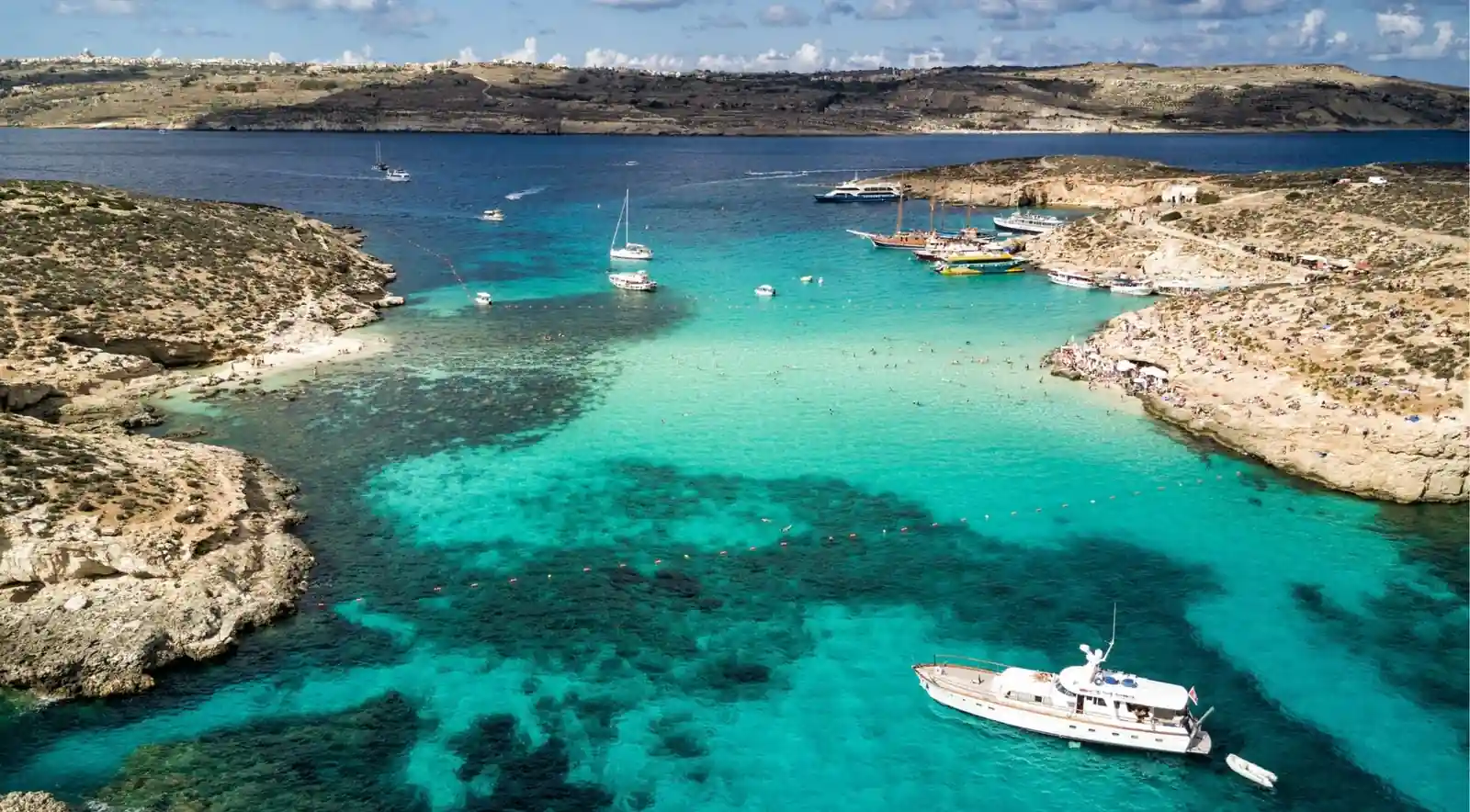
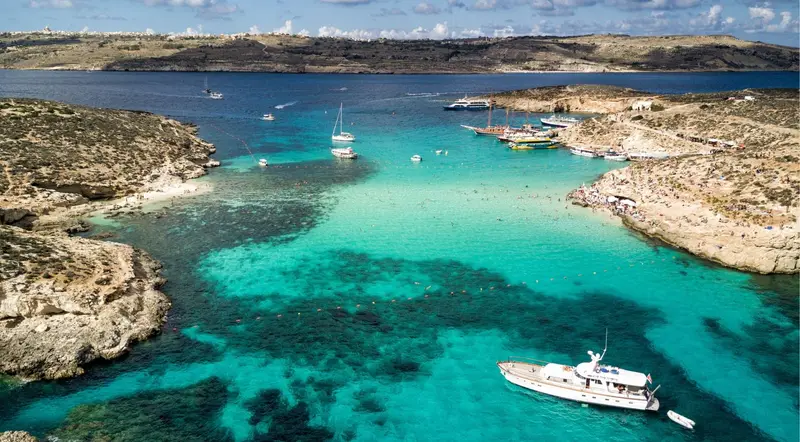
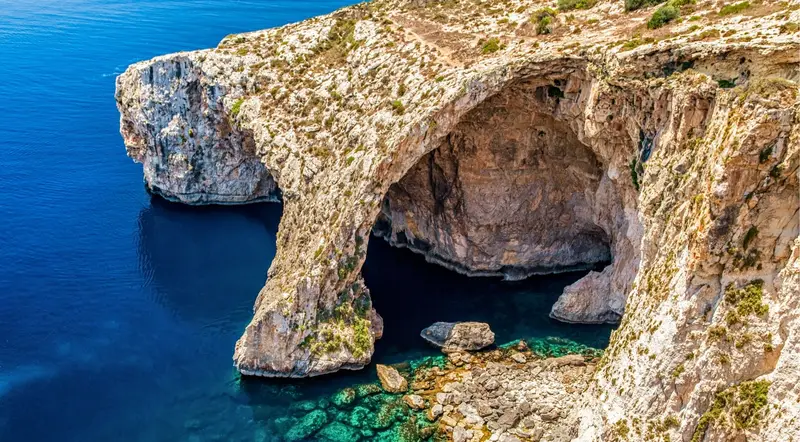
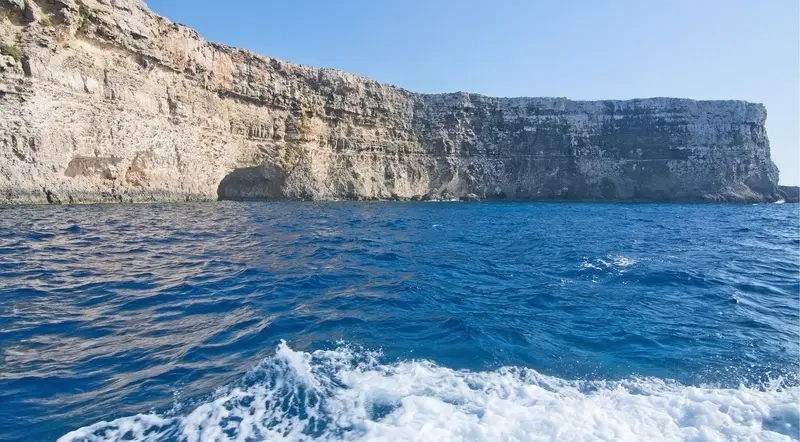
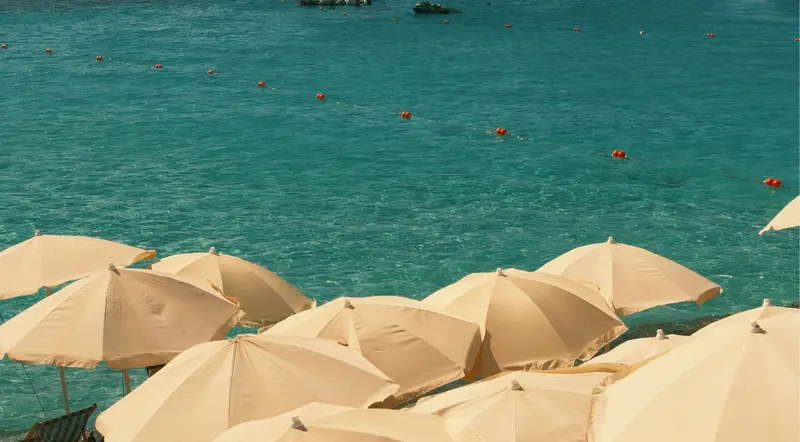
Yes, if you pick the right timing and treat the boat as the point, not just the beach. The turquoise water genuinely looks like the photos, but the small rocky shoreline gets crowded between 11am and 3pm in summer. A boat lets you swim straight off the ladder, reach Crystal Lagoon and the Santa Maria sea caves that you cannot get to on foot, and skip the worst of the land crush. Go early morning, late afternoon or in May–June and September–October.
Do I need a ticket or pass for the Blue Lagoon?
Since 1 May 2025 you need a free QR access pass to step onto land at the Blue Lagoon, booked at blcomino.com for one of three slots (Morning 08:00–13:00, Afternoon 13:30–17:30, Sunset 18:00–22:00). It is free, not a paid ticket. If your boat tour stays offshore and you swim from the vessel, you do not need the land pass at all.
Blue Lagoon vs Crystal Lagoon: which is better?
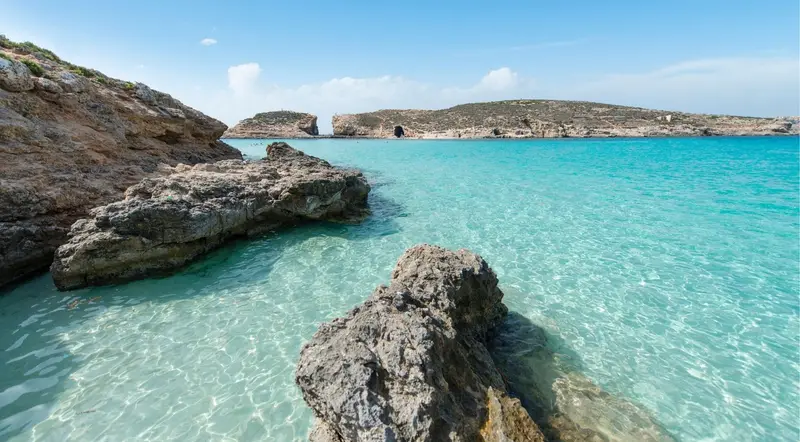
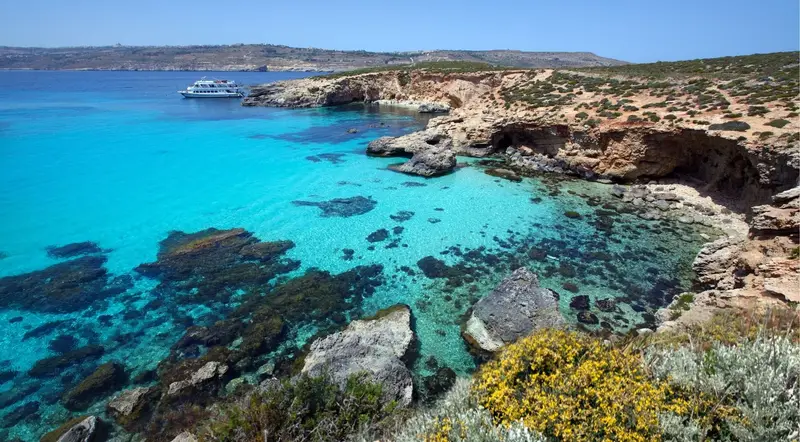
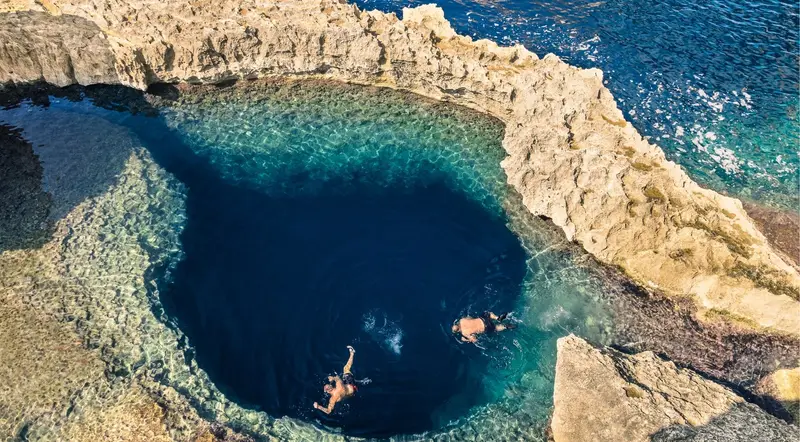
Blue Lagoon is the famous shallow turquoise channel between Comino and Cominotto, 1–2.5 m of warm water over white sand, easiest for swimming and the classic photo. Crystal Lagoon sits around Comino's western headland: deeper, cliff-ringed, reachable only by boat, and far less crowded. Many visitors find Crystal Lagoon the more dramatic of the two; most tours swim at the Blue Lagoon and cruise through Crystal Lagoon as a photo stop.
Should I do a Comino-only cruise or add Gozo?
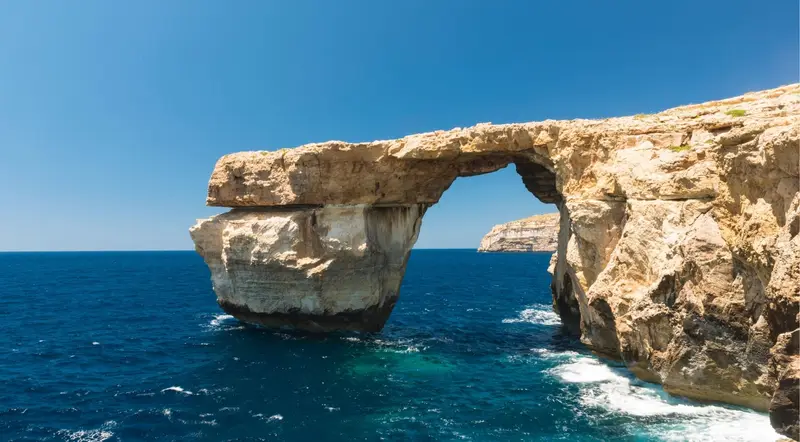
Choose a Comino-only cruise if your priority is swimming, snorkelling and relaxing on the water; it is cheaper and less rushed. Choose a full-day Gozo and Comino tour if you want history, food and scenery too: Gozo adds Victoria's hilltop Citadel, the red sand of Ramla Bay and Dwejra. One day on Gozo covers the highlights but can feel rushed. See our complete Malta and Gozo guide for what each island offers, or our Gozo, Comino & Blue Lagoon one-day tour guide for exactly what the combined day covers stop by stop.
Shared boat tour or private charter?
A shared cruise is the best value and the default for most first-timers, couples and families, with swimming stops and sightseeing included from about $25–45. A private charter costs more, from roughly $180, but buys flexibility: quieter coves, your own timing, and the option to stay offshore and swim from the boat away from the busiest landing points, which is most useful in peak summer. See our private boat charters guide for everything on pricing, types and how to book.
When is the best time to visit the Blue Lagoon?
May–June and September–October give the warmest sea with the smallest crowds. In July and August go early, before about 10:30am, or take a late-afternoon or sunset cruise; the water colour is identical but the midday boat traffic and shoreline crush are not. The evening sunset slot is the quietest and most atmospheric, with golden light on the limestone. See our best time to visit Malta guide for a full month-by-month breakdown, or our Malta sunset cruises guide for the evening sailing options from each port.
How do you get to the Blue Lagoon and Comino?
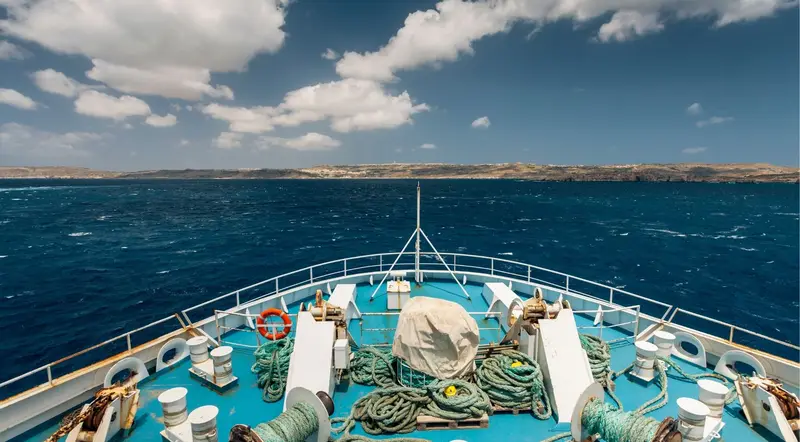
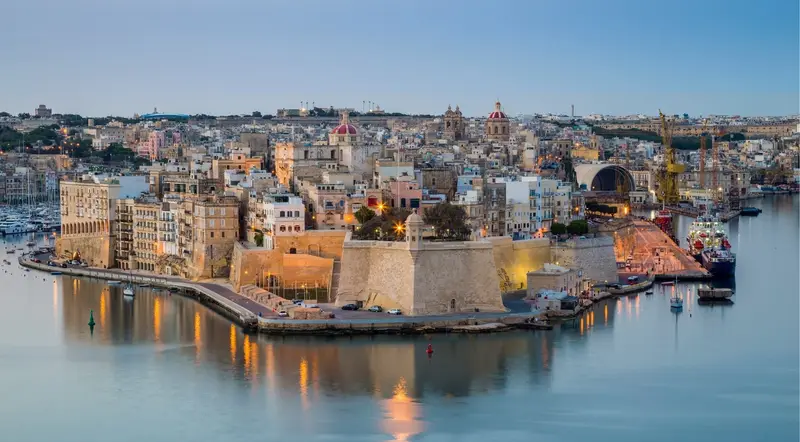
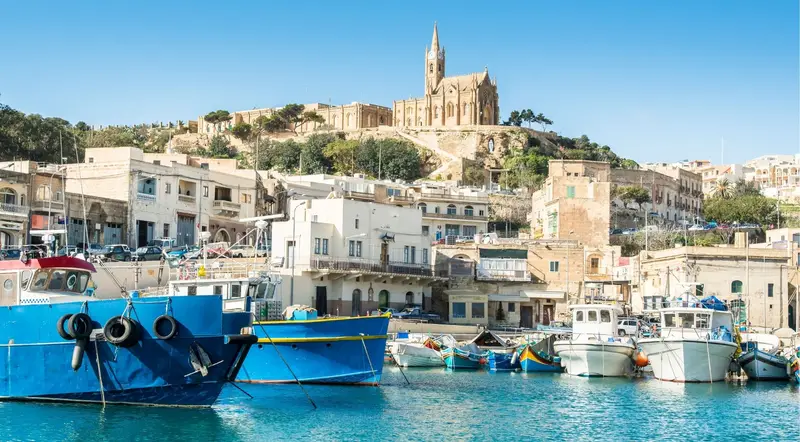
Comino has no cars and no airport, so you arrive by boat. Cruises depart from Sliema, St Julian's, Bugibba, St Paul's Bay and Mellieħa on Malta, and from Mġarr on Gozo, which is the shortest crossing at about 15 minutes. The public Comino ferry from Ċirkewwa runs too, but a cruise adds the caves, Crystal Lagoon and Gozo coastline that the ferry skips. For the full rundown, see our complete Blue Lagoon visitor guide, our Comino ferry guide for how the public ferry works and its trade-offs, or our ferry vs boat tour guide if you're weighing up the public ferry against an organised cruise.
How long do you need, and how much time is spent swimming?
Most full-day Gozo and Comino tours run 6–8 hours: roughly 2–3 hours cruising, 1–2 hours swimming at the Blue Lagoon, a pass through Crystal Lagoon and the caves, plus 2–4 hours ashore on Gozo. Comino-only and sunset cruises are shorter half-day trips. Check the swim time and the Gozo time before booking, as marketing descriptions can blur how the hours split. For a full type-by-type comparison, see our guide to Malta's best boat trips.
What should I bring, and can you swim and snorkel?
Bring water shoes because the shoreline is rocky, plus reef-safe sun cream, a hat, water, cash for the limited facilities, and your own snorkel gear since boats charge for it. Swimming is calm and shallow inside the marked Blue Lagoon zone; the clearest snorkelling is around Crystal Lagoon and the caves, away from the busiest boat traffic. See our Malta snorkelling guide for the best spots and which tours include dedicated snorkel stops, or our Malta sea caves guide for what to expect inside the cave stops.
Who might not enjoy this tour, and is it accessible?
Comino's rocky terrain, steep paths and changing sea conditions make it hard for visitors with limited mobility, and people who dislike crowds, strong sun or boats may prefer a quieter sunset cruise or a private charter. Sea and wind can change the route or close cave entry on the day; captains adjust for safety, and tours cancelled for weather are refunded or rebooked.